
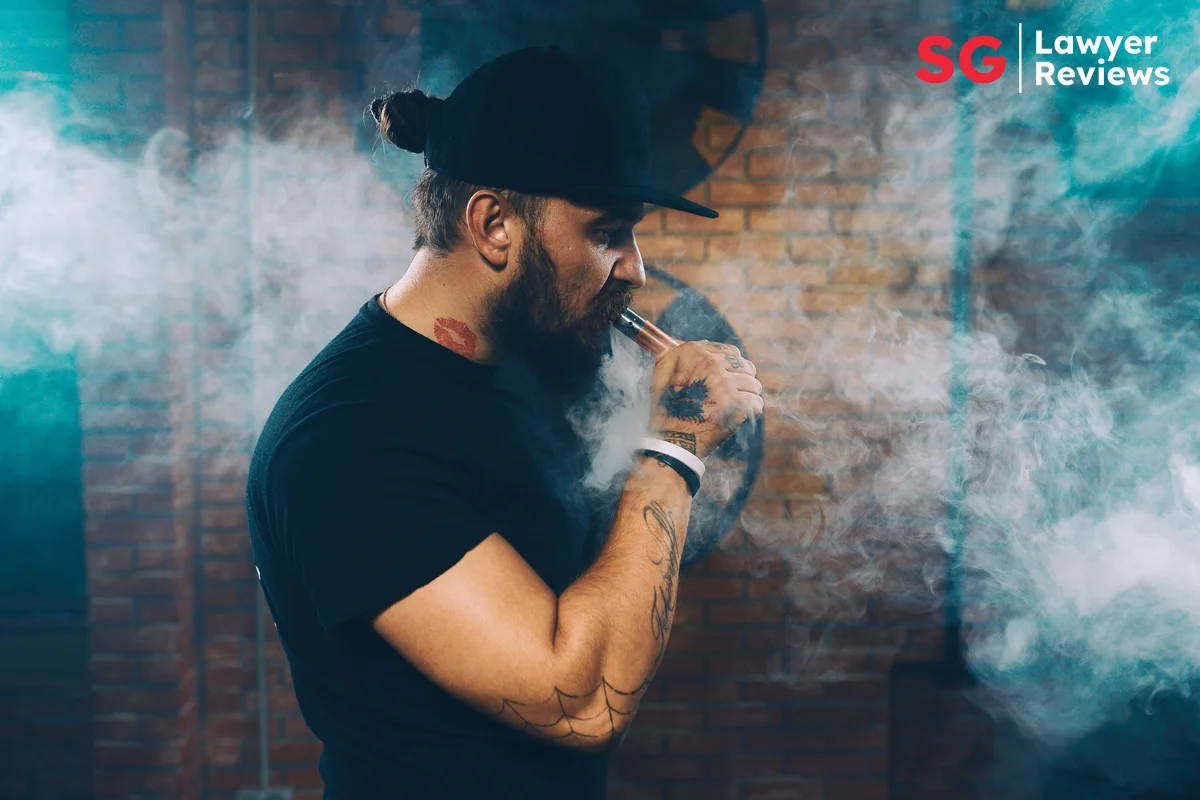
Vaping has been illegal in Singapore since 2018. That has not stopped it from spreading, especially among young people, so Parliament has now rewritten the rulebook. The Tobacco and Vaporisers Control Act, known as the TVCA, was passed on 6 March 2026 and takes effect from 1 May 2026. It replaces the old Tobacco (Control of Advertisements and Sale) Act, and it brings much heavier penalties, new categories of banned substances, and a clear message that the government now treats vaping as a serious public health and law and order issue, not a minor vice. The treatment of etomidate-laced vapes, or Kpods, is a key part of the new framework.
If you vape, sell vape products, or simply have teenagers at home, here is what actually changes and why it matters to you.
Why the Old Law Was No Longer Enough
When Singapore first banned vapes in 2018, the main worry was nicotine addiction and the risk that vaping would become a gateway to smoking. Fines for individual users topped out at 2,000 dollars, which was already meant to be a strong deterrent.
Since then, the vape market has changed in a way lawmakers did not expect. Instead of just nicotine, many vapes sold on the black market are now laced with etomidate, a medical anaesthetic that has no business being inhaled recreationally. These drug laced vapes, nicknamed Kpods, have been linked to seizures, psychotic episodes, and even deaths. The Ministry of Health and the Health Sciences Authority found that between September and December 2025 alone, 3,534 people were caught for owning or using vapes, including 366 people caught with Kpods specifically. The old fines were clearly not stopping this trend, so the government decided a heavier law was needed.
What the Tobacco and Vaporisers Control Act Changes
The TVCA does three big things. First, it renames and widens the scope of the old tobacco law so that vaping enforcement, rehabilitation, and education all sit under one piece of legislation instead of being split across different acts. Second, it dramatically raises the penalties for anyone caught using, selling, or importing vapes. Third, it creates a new legal category called Specified Psychoactive Substances, or SPS, which is designed specifically to catch substances like etomidate that get added to vapes.
Steeper Penalties Across the Board
Under the new law, an individual caught using or possessing a vape can be fined up to 10,000 dollars, a fivefold jump from the previous cap of 2,000 dollars. For people involved in selling vapes, whether that means offering them for sale, importing them, or distributing them, the penalties rise sharply depending on their role. Sellers face fines of up to 200,000 dollars and up to six years in jail. Anyone who imports vapes into Singapore now faces a mandatory jail term of up to nine years, together with fines of up to 300,000 dollars. The message from Parliament is unmistakable: casual users face heavy fines, but the people who bring vapes into the country or profit from selling them face prison as a near certainty, not just a possibility.
A New Category for Drug Laced Vapes
From 1 May 2026, etomidate and similar substances will be classified as Specified Psychoactive Substances under the TVCA, rather than being treated as a controlled drug under the Misuse of Drugs Act, which is where they had been temporarily placed since September 2025. This might sound like a technical shuffle, but it matters because it lets the Ministry of Health and the Health Sciences Authority, rather than only the Central Narcotics Bureau, lead on enforcement, while still allowing for tough penalties and mandatory rehabilitation for offenders.
Why the Government Made This Move
Singapore has long taken a hard line on vaping compared to many other countries, and officials have been explicit that this is a deliberate strategy rather than an oversight. Coordinating Minister for National Security and Home Affairs Minister K. Shanmugam has said the government intends to keep a strong stance against vaping and etomidate abuse. Rather than treating vapes as a lesser problem than smoking, the law now treats the drug laced versions almost like a narcotics issue, while still using the tobacco control framework for enforcement against ordinary nicotine vapes.
Part of the thinking is also about deterrence economics. When the maximum fine for using a vape was 2,000 dollars, some users treated it as a cost of doing business. A 10,000 dollar fine, combined with the real possibility of mandatory rehabilitation for repeat offenders, is meant to change that calculation entirely.
What This Means for You
If you currently vape, even casually, you are now looking at a far bigger financial risk than before. If you are a parent, it is worth knowing that repeat offenders under 21 are handled differently from adults. First and second time etomidate vape offenders go through mandatory community based rehabilitation run by the Institute of Mental Health and Social Service Agencies, lasting three to six months. Those under 21 go through the Ministry of Social and Family Development’s Youth Enhanced Supervision scheme instead, which is built around their age and risk profile. Anyone caught a third time or more with an etomidate vape is sent to the Drug Rehabilitation Centre for institutional treatment.
If you are a business owner or work in retail, the penalties for selling or importing vapes are now severe enough that this is not a grey area to dabble in. Foreigners visiting or living in Singapore are not exempt either. Vapes found in their possession will be seized, and they will be issued a Notice of Composition, with repeat offenders facing tougher consequences.
The government has also kept support programmes running alongside the tougher penalties. The QuitVape programme and the Health Promotion Board’s I Quit programme remain free for Singapore citizens and permanent residents who want help to stop vaping, and members of the public can dispose of vapes safely at designated bins, including at border checkpoints.
Enforcement Is Also Moving Online
A large part of the illegal vape trade in Singapore now happens through online retail sites, social media, and messaging apps rather than physical shops, and the authorities have shifted their enforcement approach to match. The Health Sciences Authority actively monitors these channels for suspected vape sales and works directly with platforms such as Instagram, Facebook, and Carousell to have listings taken down as soon as they are detected.
This matters for ordinary users because it means the old assumption that buying online is lower risk than buying in person no longer holds. Sellers operating through social media accounts or online marketplaces are just as exposed to the new penalties under the TVCA as anyone selling in a physical location, and the platforms themselves are increasingly cooperating with enforcement rather than acting as a safe channel.
Frequently Asked Questions
Do these rules apply to vapes that don’t contain nicotine or etomidate?
Yes. Singapore’s vaping ban has never been limited to nicotine products. Any vaporiser or imitation tobacco product is covered by the law regardless of what it claims to contain, so flavour only or so called nicotine free vapes are not a loophole.
Can I be penalised for vapes I bought before the law changed?
The offence is based on possession, use, or sale at the time you are caught, not on when you originally bought the item. If you are found with a vape after 1 May 2026, the new penalties apply even if you purchased it years earlier.
What if someone else’s vape is found in my bag or car?
Enforcement generally focuses on who has control or possession of the item at the time. If a vape is found among your belongings, you may need to satisfy the authorities that it does not belong to you or that you were not knowingly in possession of it, so it is not a safe assumption that you will automatically be cleared.
Is there an amnesty period for people who want to surrender their vapes?
The law does not set out a blanket amnesty, but the Health Sciences Authority has long maintained voluntary disposal bins at various locations, including border checkpoints, where people can get rid of vapes without needing to interact with enforcement officers directly.
Where can someone report illegal vape sales they come across online or in person?
Members of the public can report suspected illegal advertising, importing, distributing, selling, or possession of vaporisers to the Health Sciences Authority through their online reporting form, or by calling their enforcement hotline, which operates daily including weekends and public holidays.
Thank you for sharing this article...
About the Author: Randy Alta