
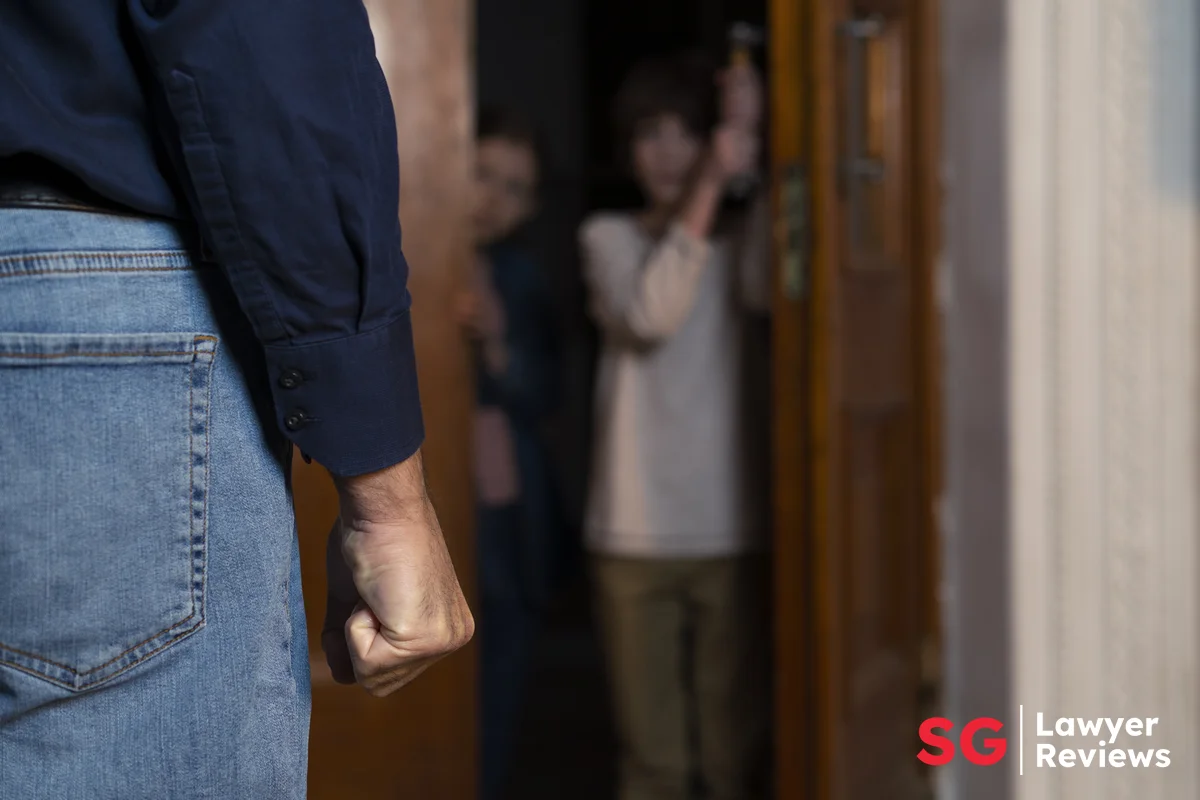
For a long time, Singapore’s law on family violence focused primarily on physical harm, threats, wrongful confinement, and continual harassment. From 2 January 2025, that definition expanded to explicitly recognise emotional and psychological abuse as a form of family violence as well, a change that reflects a growing understanding that lasting harm within a family does not always leave a visible mark.
What Counted as Family Violence Before
Before this change, a person seeking protection from a family member under Singapore’s family violence framework generally needed to show physical harm, a threat of physical harm, wrongful confinement or restraint, or continual harassment. These categories captured many serious situations, but they left a significant gap for victims experiencing sustained emotional or psychological abuse that did not involve physical violence or an easily identifiable pattern of harassment.
This gap was a longstanding concern among family lawyers and support groups working with survivors, who saw cases where a person was subjected to sustained manipulation, control, humiliation, or isolation by a family member, causing genuine and sometimes severe psychological harm, but who struggled to fit their experience into the older legal categories, which were built with more visible, physical forms of harm in mind.
What Counts as Family Violence Now
Since 2 January 2025, the law explicitly recognises emotional and psychological abuse as a form of family violence in its own right. While the term coercive control is not used directly in the legislation, the change is understood to capture the kind of sustained, manipulative behaviour that term is often used to describe, including patterns of control, intimidation, isolation from friends and family, and persistent psychological harm inflicted by one family member on another.
This is a meaningful shift because it moves the law away from requiring a single dramatic incident or a physical injury to be the trigger for protection, towards recognising that a pattern of behaviour over time can be just as harmful, and just as deserving of legal intervention, as a single act of physical violence. For someone experiencing this kind of abuse, having it explicitly named and recognised in law is itself significant, beyond just the practical legal remedies it opens up.
Who Can Apply for a Personal Protection Order
Alongside the expanded definition, the law also changed who can independently apply for a Personal Protection Order, commonly known as a PPO. Previously, independent applications were generally limited to those aged 21 and above, meaning younger adults needed a parent, guardian, or other appointed adult to apply on their behalf. From this change, individuals aged 18 and above can now apply for a PPO independently, without needing a parent or guardian to do so for them.
For those under 18, the law continues to require that a parent, guardian, or court appointed protector apply on their behalf, reflecting the ongoing need for additional safeguards when the person seeking protection is a minor. This adjustment specifically targets the gap that previously existed for young adults aged 18, 19, and 20, who were legally adults in most other respects but were treated as needing someone else to act for them specifically in this context.
What a Personal Protection Order Can Do
A Personal Protection Order is a court order that generally restrains a family member from committing further acts of family violence against the applicant. With the expanded definition now including emotional and psychological abuse, a court can grant a PPO based on evidence of this kind of sustained non-physical harm, not only in cases involving physical violence or the other previously recognised categories.
Because emotional and psychological abuse can be harder to evidence than physical injury, family lawyers have noted that the practical experience of bringing this kind of case may look different from a more traditional PPO application. Rather than relying on medical reports documenting physical injuries, an applicant may need to present a fuller picture of a pattern of behaviour over time, potentially including messages, witness accounts from people who observed the dynamic, and their own detailed account of the abuse experienced.
Why This Change Matters So Much
Family lawyers and support organisations working with survivors of family violence had long pointed to this gap in the law as a genuine barrier to justice. Someone experiencing sustained emotional manipulation, control, or psychological cruelty from a family member could feel deeply unsafe and harmed, yet find themselves without a clear legal pathway to protection simply because their experience did not fit neatly into categories built around physical harm or continual harassment. Expanding the definition closes that gap and sends an important signal that this kind of harm is recognised and taken seriously by the legal system, not treated as a lesser or lower priority form of family violence.
This change also reflects a broader, more contemporary understanding of what abuse within a family can look like, informed by decades of research showing that coercive and controlling behaviour, even without physical violence, can have profound and lasting psychological effects on victims, including on children who witness this dynamic between family members even when they are not the direct target of it.
What This Means Going Forward
As this expanded definition is still relatively new, having come into force at the start of 2025, the way courts interpret and apply it in individual cases will likely continue to develop over the following years as more cases are heard. Family lawyers, support organisations, and the courts themselves are all in a period of building up practical experience with how this new category of family violence works in real cases, which is a normal part of how significant legal changes like this one settle into everyday practice over time.
For anyone who feels they may be experiencing this kind of abuse but is unsure whether their situation would meet the legal threshold, speaking with a family lawyer or a support organisation experienced in family violence matters can help clarify what evidence might be relevant and what the options actually look like given their specific circumstances.
Frequently Asked Questions
Can emotional or psychological abuse be proven without physical evidence like medical reports?
Yes, since this form of abuse does not typically leave physical injuries, courts assessing these cases generally rely on other forms of evidence, including a detailed account of the pattern of behaviour, relevant communications, and testimony from people who witnessed relevant interactions, rather than requiring medical documentation of physical harm.
Does the expanded definition of family violence cover unmarried couples living together, not just married spouses?
Singapore’s family violence framework has generally extended to a defined set of family relationships beyond just married spouses, including certain other family members, though the precise scope of who qualifies as a family member for these purposes depends on the specific definitions set out in the relevant legislation.
Can someone apply for a Personal Protection Order against a family member who currently lives overseas?
Applying for a PPO generally requires the Singapore courts to have jurisdiction over the matter, which can depend on factors such as where the applicant and respondent are located and where the relevant conduct occurred, so cases involving a respondent based overseas may involve additional practical and jurisdictional considerations.
What is the difference between a Personal Protection Order and other types of protection orders in Singapore?
A Personal Protection Order is specifically aimed at protecting a person from family violence committed by a family member, whereas other protection orders, such as those available under the Protection from Harassment Act, address harassment more broadly and are not limited to family relationships.
Can a young person aged 18 to 20 still get help from a parent even though they can now apply independently?
Yes, being able to apply independently from age 18 does not prevent a young person from seeking support or involvement from a parent or trusted adult if they want it. The change simply removes the requirement that someone else must apply on their behalf, giving the young person the choice rather than removing family support as an option.
Thank you for sharing this article...
About the Author: Randy Alta