
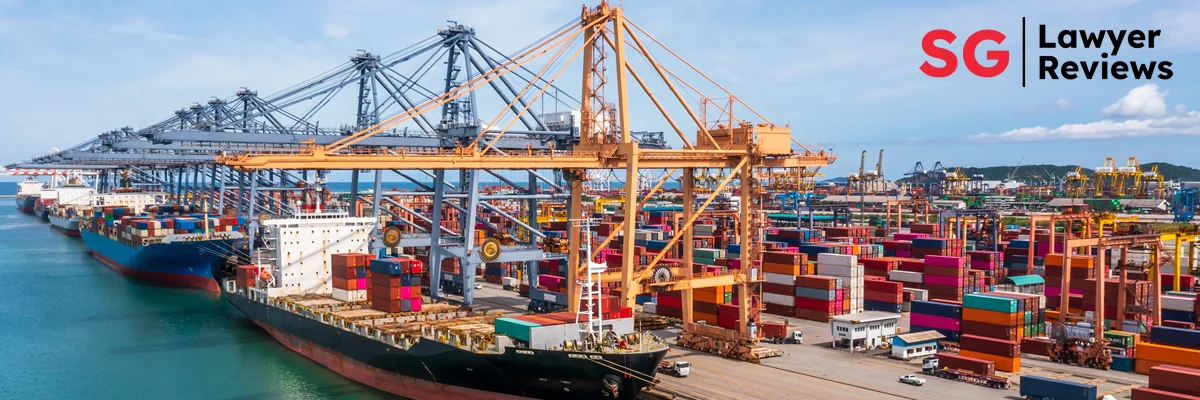
What sector-specific legal issues does commodity trading cover in Singapore?
Commodity trading in Singapore raises legal issues connected with the sale and purchase of physical commodities, such as oil, metals, agricultural products and other raw materials, and, where derivatives are used, the regulatory framework governing trading in futures and other commodity derivatives. Singapore is a major global hub for physical commodity trading, and much of this activity involves contracts based on international industry standard terms specific to the commodity involved.
Contractual issues are central to commodity trading, including the terms governing delivery, quality specifications, pricing mechanisms, and risk allocation for matters such as loss in transit, since commodities are frequently traded and shipped internationally before reaching their final destination. Letters of credit and other trade finance instruments are commonly used to manage payment risk in international commodity transactions, adding a further layer of documentation and legal consideration.
Where trading involves commodity derivatives, such as futures or swaps, this can bring the activity within the scope of Singapore’s regulated capital markets framework, requiring consideration of licensing requirements applicable to dealing in such products, distinct from the largely unlicensed nature of physical commodity trading itself. Certain commodities, such as those subject to strategic goods controls or specific import and export licensing, carry additional regulatory considerations.
Because commodity trading combines international commercial contract law, trade finance, and, for derivatives, financial services regulation, businesses involved in this sector should understand which aspects of their activities are lightly regulated and which may trigger more significant regulatory requirements. Given the value and complexity often involved, seeking advice from a lawyer experienced in commodity trading is generally advisable. If you decide to seek representation, this guide to choosing a lawyer in Singapore can help you compare your options.
Which operators, investors, professionals or customers may be affected?
Commodity trading houses, which buy and sell physical commodities, often across multiple jurisdictions, are the central operators in this sector, and Singapore hosts many major international and regional trading companies given its role as a commodity trading hub. Producers and end users of commodities, such as mining companies, agricultural producers, refiners and industrial consumers, are directly affected as counterparties to physical trading contracts.
Banks and financial institutions providing trade finance, such as letters of credit and commodity financing facilities, are significantly involved in supporting commodity trading given the scale of capital typically required to finance the purchase and transport of commodities before they are on-sold. Where commodity derivatives are used for hedging or speculative purposes, investors and financial institutions trading such instruments are affected by the capital markets regulatory framework applicable to those products.
Shipping and logistics providers are closely connected to commodity trading given the need to transport physical commodities, often by sea, bringing maritime law considerations into many commodity transactions. Insurers providing cargo and trade credit insurance also play a significant supporting role in managing the risks inherent in commodity trading.
Because commodity trading connects trading houses, producers, end users, financiers, logistics providers and, where derivatives are involved, regulated financial market participants, anyone involved in this sector should understand how the framework applies to their specific role. Given the scale and cross-border nature of much commodity trading activity, seeking advice from a lawyer experienced in commodities is generally advisable for significant transactions. You may also want to check whether initial legal consultations are free before contacting a firm.
Which Singapore regulator, licensing authority or court has jurisdiction?
Physical commodity trading in Singapore is not subject to a dedicated sector-specific regulator or licensing regime for the trading activity itself, reflecting Singapore’s position as an open and competitive hub for this business, though general business and corporate law requirements apply to companies conducting such trading. Enterprise Singapore plays a role in supporting and promoting the trading sector, including trade facilitation initiatives, though it does not act as a licensing authority for physical trading activity in the way a financial regulator would.
Where commodity trading involves regulated capital markets products, such as futures or other derivatives, the Monetary Authority of Singapore has jurisdiction under the Securities and Futures Act, requiring relevant licensing for businesses dealing in or advising on such products, distinct from the position for physical trading.
Where specific commodities are subject to strategic goods controls or other import and export licensing requirements, Singapore Customs and other relevant agencies have jurisdiction over compliance with those controls. Disputes arising from commodity trading contracts are typically resolved through the civil courts or, commonly, through arbitration, given that many commodity contracts incorporate arbitration clauses referring disputes to institutions such as the Singapore International Arbitration Centre or commodity-specific arbitration bodies.
Because jurisdiction in commodity trading depends heavily on whether the activity is physical trading, derivatives trading, or subject to specific goods controls, and because dispute resolution is often directed by contract to arbitration, businesses should identify the correct framework for their specific activities and seek advice given the range of bodies potentially relevant.
What licences, permits, registrations or operational approvals may be required?
Physical commodity trading generally does not require a specific trading licence in Singapore, reflecting the country’s approach of maintaining an open and competitive environment for this business, though trading companies must still comply with general business registration and corporate requirements applicable to any company operating in Singapore. This light-touch approach to physical trading is a significant factor in Singapore’s position as a major commodity trading hub.
Where a business deals in regulated commodity derivatives, such as futures contracts, a capital markets services licence from the Monetary Authority of Singapore is generally required under the Securities and Futures Act, reflecting the more heavily regulated nature of derivatives trading compared with physical trading. The specific licensing category depends on the nature of the regulated activity being conducted.
Certain commodities are subject to specific import, export or transhipment controls, particularly those classified as strategic goods under Singapore’s strategic goods control framework, or commodities subject to other specific regulatory regimes, requiring permits or approvals from the relevant authority before they can be traded through Singapore. Businesses should check whether the specific commodities they trade fall within any such controlled category.
Because the licences and approvals required depend heavily on whether the activity is physical trading, derivatives trading, or involves controlled goods, and because the requirements differ significantly across these categories, businesses should assess their specific activities carefully. Given the potential for derivatives trading and controlled goods to trigger significant regulatory requirements despite the generally light-touch approach to physical trading, seeking advice from a lawyer experienced in commodities is advisable. Our overview of lawyer costs in Singapore can help you prepare questions about fees.
What commercial contracts, insurance and risk allocations should be reviewed?
Sale and purchase contracts for physical commodities are the central commercial documents in commodity trading, often based on standard forms published by relevant trade associations specific to the commodity involved, which address matters such as quality specifications, delivery terms, pricing mechanisms and risk allocation for loss or damage during transit. These standard terms should be reviewed carefully alongside any specific variations negotiated for a particular transaction.
Trade finance documentation, including letters of credit and other payment security arrangements, should be reviewed to ensure the terms align with the underlying sale contract, since discrepancies between trade finance documents and the commercial contract are a common source of dispute and payment delay in international commodity transactions. Shipping and charter arrangements connected with the physical movement of commodities should also be reviewed for consistency with the sale contract’s delivery terms.
Insurance considerations include cargo insurance covering the physical commodity during transit, and, in some transactions, trade credit insurance protecting against counterparty default risk, both of which should be assessed against the specific risks of the transaction, including the commodity’s value and the route and duration of transport involved.
Because commodity trading contracts often involve multiple interconnected documents, including the sale contract, trade finance instruments and shipping arrangements, and because risk allocation across these documents needs to be consistent, businesses should have these reviewed together by a lawyer experienced in commodity trading, rather than in isolation, to identify any gaps or inconsistencies before a transaction proceeds.
What safety, consumer, employment, data or environmental obligations apply?
Commodity trading itself, as a largely business-to-business activity, is not subject to consumer protection obligations in the way retail businesses are, though safety considerations remain relevant to the physical handling, storage and transport of commodities, particularly for hazardous materials, which are subject to applicable safety regulations relevant to their storage and transport. Compliance with these safety standards is important for trading houses involved in the physical movement of such goods.
Employment considerations apply to commodity trading houses in the same way as any other employer in Singapore, covering matters such as employment contracts, compensation structures common in trading roles, including performance-linked bonuses, and general compliance with the Employment Act and related legislation for staff based in Singapore.
Environmental obligations are increasingly significant in commodity trading, particularly for commodities connected with deforestation, mining or other environmentally sensitive extraction activities, where international buyers and financiers increasingly expect evidence of sustainable sourcing practices, even where Singapore law itself may not directly mandate specific environmental standards for the traded commodity’s origin.
Data protection obligations under the Personal Data Protection Act apply to commodity trading businesses in respect of personal data they hold, such as employee and counterparty contact information, in the same way as for any other business operating in Singapore. Because commodity trading businesses face a combination of general business obligations and sector-specific safety and increasingly environmental expectations, they should ensure their compliance approach addresses each of these areas, and may wish to seek advice as environmental and sustainability expectations continue to evolve. Before meeting counsel, review what to bring to your first legal consultation so the lawyer can assess the matter efficiently.
How should an organisation respond to an incident, investigation or regulatory breach?
If a commodity trading business faces an incident, such as a cargo loss, a contractual dispute, or a suspected breach of regulatory requirements such as strategic goods controls, it should first assess and address any immediate safety or commercial risk, such as securing the affected cargo or notifying relevant counterparties and insurers as required under the applicable contracts. Prompt notification in accordance with contractual and insurance requirements is often time-sensitive and should not be delayed.
Where an investigation follows, whether from a regulator such as Singapore Customs in relation to controlled goods, or from a counterparty or financier in connection with a contractual dispute, the organisation should cooperate appropriately with the relevant party, providing the records requested, such as trade documentation, shipping records and communications relevant to the transaction, while preserving all relevant records rather than altering them.
Internally, the organisation should involve its trading, legal and, where appropriate, senior management functions in coordinating the response, given that commodity trading incidents can have significant financial consequences and can affect the organisation’s relationships with counterparties, financiers and insurers who value a reliable and transparent trading partner.
Because commodity trading incidents can range from purely commercial disputes to regulatory breaches with potentially serious consequences, particularly where controlled goods or financial regulations are involved, the organisation should assess the nature of the issue carefully and seek legal advice promptly, particularly where a regulatory dimension is present or where significant financial exposure is involved.
What civil liability, penalties or business restrictions may arise?
Civil liability in commodity trading commonly arises from breach of sale and purchase contracts, such as failure to deliver commodities meeting the agreed quality specifications, late delivery, or payment default, with damages assessed according to the terms of the contract and general contract law principles, often resolved through arbitration given the prevalence of arbitration clauses in commodity trading contracts. Disputes over trade finance instruments, such as discrepancies in letters of credit, can also give rise to liability and delayed payment.
Where a business breaches strategic goods control requirements or other import, export or transhipment controls applicable to specific commodities, this can lead to significant penalties, including fines and, in serious cases, criminal liability, reflecting the seriousness with which controls on sensitive goods are treated. Businesses trading in controlled commodities should ensure rigorous compliance given these risks.
Where derivatives trading is involved without the required licensing under the Securities and Futures Act, this can lead to significant regulatory penalties from the Monetary Authority of Singapore, given the more heavily regulated nature of derivatives trading compared with physical commodity trading.
Business restrictions can also arise indirectly, such as counterparties, financiers or insurers declining to deal with a trading house that has a poor compliance record or has been involved in significant disputes, reflecting the reputational dimension that is particularly important in the relationship-driven commodity trading sector. Because the consequences of non-compliance can range from commercial disputes to serious regulatory penalties, commodity trading businesses should prioritise both contractual discipline and regulatory compliance, seeking legal advice promptly where significant issues arise.