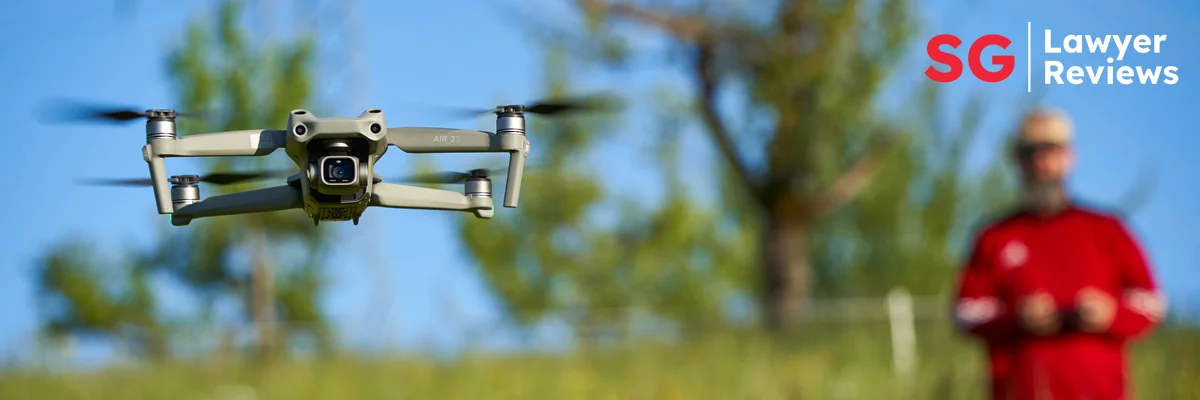
When is a permit required to fly a drone in Singapore?
A permit is generally required to fly a drone, referred to as an unmanned aircraft, in Singapore where the activity falls outside the limited circumstances permitted without one, which are narrow given Singapore’s dense urban environment and busy airspace. Flying a drone above a specified weight threshold, at night, beyond visual line of sight, or in various other circumstances set out in the regulations typically requires a permit from the Civil Aviation Authority of Singapore before the flight.
Even for smaller and lighter drones that may not always require a permit for basic recreational flying in permitted areas, operators must still comply with height restrictions, no-fly zone rules and other operating conditions, so the absence of a permit requirement for very light recreational use does not mean there are no rules to follow. Commercial drone operations, such as aerial photography, surveying or delivery trials, generally require a permit and often more extensive approvals given their scale and purpose.
Operators should also be aware that flying in or near restricted areas, such as close to airports, military installations or other protected sites, generally requires a permit regardless of the drone’s weight or the nature of the flight, given the heightened safety and security sensitivities in those areas.
Because the permit requirements depend on factors such as the drone’s weight, the flight altitude and location, and whether the operation is recreational or commercial, and because the rules are set and updated by the Civil Aviation Authority of Singapore, anyone planning to fly a drone in Singapore should check the current requirements before doing so, and may wish to seek advice for commercial or higher-risk operations. Before meeting counsel, review what to bring to your first legal consultation so the lawyer can assess the matter efficiently.
What restrictions apply near airports, protected areas and densely populated locations?
Flying a drone near airports and aerodromes is heavily restricted given the serious safety risk that unmanned aircraft pose to manned aviation, and permits for such flights are generally required and subject to strict conditions, if granted at all, within defined protected zones around these facilities. Similar restrictions apply near military installations and other security-sensitive sites, reflecting both safety and security concerns.
Protected areas, which can include locations such as key government buildings and other sites designated for security reasons, are subject to no-fly restrictions, and flying a drone in these areas without the necessary permit can lead to serious consequences given the sensitivity involved. Operators should check the current list of restricted and protected areas before planning a flight, since these can be updated.
In densely populated locations, additional caution and often more stringent permit conditions apply, reflecting the increased risk to people and property on the ground if something goes wrong. Height restrictions and requirements to avoid flying directly over crowds or built-up areas without appropriate authorisation are common features of the regulatory framework in such locations.
Because the restrictions near airports, protected areas and populated locations are designed to manage genuine safety and security risks, and because breaching them can have serious consequences, drone operators should check the current maps and rules published by the Civil Aviation Authority of Singapore before every flight, particularly in or near Singapore’s built-up areas. Seeking advice is worthwhile for any planned operation near a sensitive location. You may also want to check whether initial legal consultations are free before contacting a firm.
Do commercial or higher-risk drone operations require additional approvals?
Yes. Commercial drone operations, such as aerial photography and videography services, surveying, inspection work, agricultural applications or delivery trials, generally require permits from the Civil Aviation Authority of Singapore, and the approval process typically involves more detailed scrutiny than basic recreational flying given the commercial scale and purpose of the activity. Operators may need to demonstrate operational competence, safety procedures and appropriate risk management for their specific type of operation.
Higher-risk operations, including flights beyond visual line of sight, flights at night, flights involving heavier drones, or operations in more complex or populated environments, typically require additional approvals reflecting the increased risk involved. These may include more detailed operational safety cases, specific training or certification for the drone pilot, and conditions tailored to the particular risk profile of the operation.
Operators conducting regular or repeated commercial operations may also need to consider broader regulatory and business requirements, such as appropriate insurance cover and compliance with any sector-specific rules relevant to their industry, such as data protection considerations for aerial photography or filming.
Because commercial and higher-risk drone operations are subject to a more demanding approval process than basic recreational use, and because requirements are set and updated by the Civil Aviation Authority of Singapore, businesses planning to use drones commercially should engage with the approval process well ahead of their planned operations. Given the technical and safety-critical nature of these approvals, seeking advice from a lawyer or specialist adviser experienced in drone regulation can help navigate the process. If you decide to seek representation, this guide to choosing a lawyer in Singapore can help you compare your options.
How do privacy, photography and personal data rules apply to drone use?
Drone operations that involve photography, videography or other data collection raise privacy and personal data considerations alongside the aviation safety rules. Where a drone captures images or footage of identifiable individuals, this can constitute the collection of personal data, bringing the operation within the scope of the Personal Data Protection Act, which requires the operator to have a proper basis for collecting the data, to use it only for reasonable and notified purposes, and to protect it appropriately.
Operators conducting drone photography or filming, whether for commercial purposes such as real estate marketing or media production, or for other activities that capture images of people or private property, should consider how they will handle any personal data collected, including whether individuals need to be notified and whether consent is required in the circumstances. This is a separate consideration from the aviation permit requirements administered by the Civil Aviation Authority of Singapore.
Drone use can also raise concerns under general privacy and nuisance principles where flights intrude on private property or capture images in circumstances that would be considered an invasion of privacy, even outside the specific scope of the Personal Data Protection Act. Operators should be mindful of these broader considerations, particularly for filming near private residences.
Because drone operations that involve photography or data collection sit at the intersection of aviation regulation and data protection law, operators should consider both sets of requirements together. Businesses conducting commercial drone photography or surveying should seek advice on managing personal data appropriately alongside their aviation compliance obligations. Our overview of lawyer costs in Singapore can help you prepare questions about fees.
What penalties may apply to unsafe or unauthorised operations?
Operating a drone without a required permit, or in breach of the conditions attached to a permit, can lead to enforcement action by the Civil Aviation Authority of Singapore, including penalties under the Air Navigation Act and the Unmanned Aircraft (Public Safety and Security) Act, which govern drone operations in Singapore. The penalties for serious breaches, particularly those involving flights in restricted areas such as near airports or protected sites, can be significant, reflecting the serious safety and security risks involved.
Unsafe operation of a drone, such as flying in a manner that endangers people, property or other aircraft, can attract more serious consequences, potentially including criminal liability, given the risk that unmanned aircraft can pose in Singapore’s dense urban and aviation environment. Repeated or particularly reckless breaches are likely to be treated more seriously than a single inadvertent lapse.
Beyond regulatory and criminal consequences, an operator whose drone causes damage to property or injury to a person may also face civil liability, with the person affected able to pursue a claim for compensation separately from any regulatory enforcement action taken by the authorities.
Because the consequences of unsafe or unauthorised drone operations can include regulatory penalties, criminal liability and civil claims, and because Singapore takes drone safety and security seriously given its dense urban environment and busy airspace, operators should ensure they understand and comply with the applicable rules before flying. Anyone facing enforcement action, or planning a higher-risk or commercial drone operation, should seek advice on compliance and on responding to any regulatory concerns raised.
What does drone regulation cover in Singapore?
Drone regulation in Singapore covers the legal framework governing the operation of unmanned aircraft, including permit requirements, flight restrictions, and safety and security rules designed to manage the risks that drones pose in a dense urban environment with busy airspace. It covers both recreational and commercial drone use, addressing matters such as permitted flying areas, height restrictions, no-fly zones near airports and protected sites, and additional requirements for higher-risk operations such as flights beyond visual line of sight or at night.
The framework is set out mainly in the Air Navigation Act and the Unmanned Aircraft (Public Safety and Security) Act, which together address both the aviation safety dimension of drone use and the broader public safety and security concerns associated with unmanned aircraft, particularly around sensitive locations. The area also intersects with data protection law where drones are used for photography or filming that captures personal data.
As drone technology and its commercial applications continue to develop, the regulatory framework has evolved to address new use cases, including commercial delivery trials, surveying and inspection work, and other business applications, alongside continued recreational use.
Because drone regulation combines aviation safety, security and, in some cases, data protection considerations, and because the rules are updated as the technology and its use cases develop, anyone involved in drone operations in Singapore, whether recreational or commercial, should understand the current framework. Given the potential penalties for non-compliance, seeking advice is particularly worthwhile for commercial or higher-risk operations.
Which individuals, companies or activities are subject to the rules?
Drone regulation in Singapore applies to anyone operating an unmanned aircraft within Singapore’s airspace, whether for recreational purposes, such as hobbyist flying, or for commercial purposes, such as aerial photography, surveying, inspection or delivery services. Both individual operators and businesses conducting drone operations are subject to the applicable permit and operating requirements.
Manufacturers, importers and sellers of drones are not generally subject to the same operational permit requirements as operators, but they may have obligations relevant to product safety and, depending on the drone’s capabilities, may need to be aware of the regulatory environment their customers will operate in. Event organisers or property owners who engage drone operators for filming or other purposes should also be aware of the permit and safety requirements applicable to the operations conducted on their behalf.
Commercial businesses across sectors that use drones as part of their operations, such as real estate, media and construction, are subject to the same underlying rules as any other operator, with the additional requirements that typically apply to commercial and higher-risk operations given their scale and purpose.
Because the drone regulatory framework applies broadly to anyone flying an unmanned aircraft in Singapore, regardless of the purpose, and because commercial operators face additional requirements reflecting the scale and risk of their activities, any individual or business planning to use drones should identify the rules applicable to their specific operations. Given the safety and security sensitivities involved, seeking advice is particularly important for businesses building drone use into their commercial operations.
Which Singapore authority administers or enforces the requirements?
The Civil Aviation Authority of Singapore, known as CAAS, is the principal authority responsible for administering and enforcing drone regulation in Singapore. It processes permit applications for drone operations, sets the rules on permitted flying areas, height restrictions and operating conditions, and enforces compliance with the Air Navigation Act and the Unmanned Aircraft (Public Safety and Security) Act as they apply to unmanned aircraft.
CAAS works alongside other agencies where security considerations are involved, particularly in relation to protected areas and sensitive locations, given that drone regulation addresses both aviation safety and broader public safety and security concerns. Enforcement action for breaches of drone rules, including flights in restricted or protected areas, can involve coordination between CAAS and other relevant security and law enforcement agencies.
Where a drone operation involves the collection of personal data, such as through photography or filming, the Personal Data Protection Commission is the relevant authority for data protection compliance, operating alongside rather than instead of the aviation framework administered by CAAS.
Because CAAS is the central point of contact for drone permits and aviation safety compliance, while other agencies become relevant depending on the security or data protection dimensions of a specific operation, anyone planning a drone flight, particularly a commercial or higher-risk operation, should engage with CAAS as the primary regulator. Given the range of rules that can apply, seeking advice on the full scope of applicable requirements is worthwhile before commencing operations.