
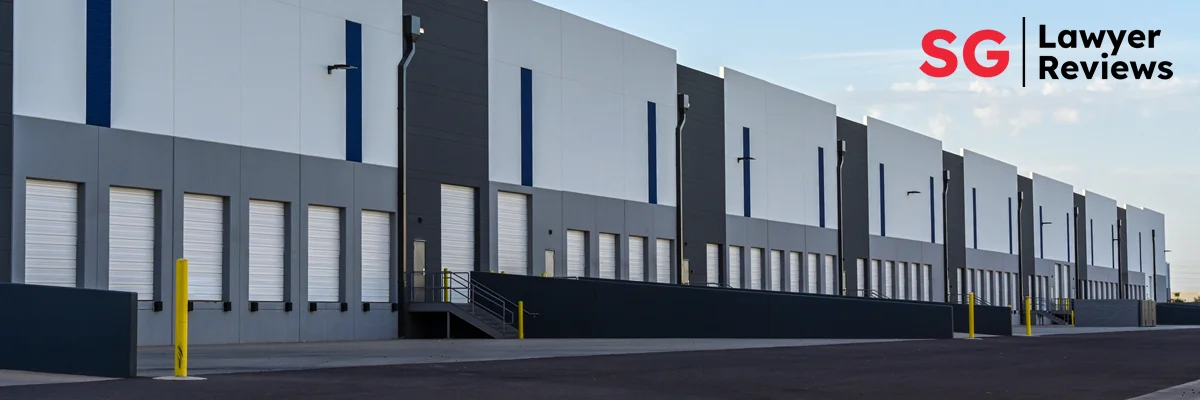
What property or construction issues does industrial property cover in Singapore?
Industrial property covers the acquisition, leasing and use of property designated for industrial purposes, such as factories, warehouses and business park units, and the legal issues that arise throughout ownership or occupation, including compliance with permitted use restrictions and, where relevant, conditions imposed by JTC Corporation on JTC-developed industrial land.
It covers due diligence specific to industrial property, such as confirming the property’s approved industrial use classification, checking for any subletting restrictions that commonly apply to JTC-allocated industrial premises, and understanding the remaining lease term where the property is held on a leasehold basis, which is common for industrial land in Singapore.
The area also covers considerations specific to industrial operations, such as environmental and safety compliance relevant to certain industrial activities, and financing arrangements for industrial property, which can differ from those available for commercial or residential property depending on the lender and the nature of the industrial use.
Because industrial property carries specific use restrictions and, in many cases, leasehold and subletting conditions that do not apply to other property types, anyone acquiring, leasing or operating from industrial property in Singapore should seek advice from a lawyer experienced in industrial property matters to properly navigate these additional layers of regulation.
Which owners, buyers, sellers, landlords, tenants or project parties may be affected?
Owners and prospective buyers of industrial property are directly affected by the applicable use restrictions and, where the property is leasehold, the terms and remaining duration of the lease, which can significantly affect the property’s value and the buyer’s long term plans for the site.
Where industrial property is leased to operating businesses, landlords and tenants are both affected by the terms of the lease and any restrictions on permitted industrial use, and tenants in particular need to ensure their intended operations fall within what is permitted for the specific property before committing to a lease.
Where the industrial property was originally allocated by JTC Corporation subject to specific conditions, such as restrictions on subletting the whole or part of the premises without approval, both current and prospective owners need to understand these conditions, since a breach can result in enforcement action by JTC.
Because industrial property transactions can involve owners, tenants, and in many cases an underlying government landlord such as JTC Corporation with its own conditions to enforce, all parties involved should seek advice from a lawyer to understand how the transaction affects their specific position and what conditions they may inherit or remain bound by. You may also find Best Conveyancing Law Firms in Singapore useful when considering your next steps.
Which HDB, SLA, URA, BCA or court requirements may apply?
The Urban Redevelopment Authority’s Master Plan governs the zoning and permitted use of industrial property, and buyers or tenants should confirm that their intended industrial activity falls within the approved use for the specific site before committing to a purchase or lease, since operating outside the approved use can expose the occupier to enforcement action.
Where the industrial property sits on land originally allocated by JTC Corporation, JTC’s own conditions, including restrictions on subletting and, in some cases, minimum occupation requirements intended to prevent speculative subletting, apply in addition to the general planning framework, and these should be checked carefully as part of due diligence.
The Building and Construction Authority is relevant where industrial buildings require structural or fire safety compliance, particularly for older industrial buildings or where the intended use involves specific hazards that require additional safety measures or approvals.
The Singapore Land Authority’s records are relevant to confirming title and any encumbrances in the usual way. Because industrial property can be subject to an additional layer of conditions from JTC Corporation on top of the general planning and building framework, buyers and tenants should have their lawyer confirm which specific requirements apply to their transaction.
What title documents, contracts, plans or payment records should be reviewed?
Title documents for industrial property should be reviewed in the same way as for other property types, though buyers should pay particular attention to whether the property is held on a leasehold basis, which is common for JTC-allocated industrial land, and if so, the remaining lease term, since this materially affects the property’s value and financing options.
Where the property was allocated by JTC Corporation, the original allocation letter or lease agreement setting out JTC’s specific conditions, including any subletting restrictions or minimum occupation requirements, should be carefully reviewed to understand what conditions the buyer would be bound by going forward.
Where the industrial property is being acquired with an existing tenant in occupation, the tenancy agreement should be reviewed to understand the rental terms and any obligations the buyer would inherit as landlord, similar to commercial property, and any approvals JTC may have given for that specific subletting arrangement should also be checked.
Building plans and any records of approved industrial use or special licensing relevant to the specific industrial activity conducted on the premises should also be reviewed. Because these documents are often more specialised than for other property types, buyers should engage a lawyer experienced in industrial property to review them properly before committing to a purchase. For broader context, see Should You Reply to a Lawyer’s Letter From Your Landlord or Tenant?.
What approvals, notices, duties or filing deadlines may apply?
Where a buyer or tenant intends to use industrial property for a purpose different from its currently approved use, or intends to sublet space within a JTC-allocated property, approval from the relevant authority, whether the Urban Redevelopment Authority for a change of use or JTC Corporation for a subletting arrangement, is generally required before proceeding.
Stamp duty applies to the purchase of industrial property on a tiered basis, similar to other property types, and buyers should confirm the applicable rates and filing deadlines with their lawyer to ensure timely payment. Where the property is held on a JTC lease, any lease-related fees or conditions attached to a transfer or assignment of the lease should also be checked and addressed.
Where the industrial activity conducted on the premises requires specific licensing, such as for certain manufacturing or storage activities, ongoing compliance with the conditions of that licence, separate from the property transaction itself, remains relevant to the occupier.
Because industrial property can involve approvals and conditions from more than one authority depending on the land tenure and intended use, buyers and tenants should confirm the full list of applicable approvals, notices and deadlines with their lawyer as part of due diligence, well before completing a purchase or signing a lease.
What financing, CPF, tax or stamp duty issues should be considered?
Financing for industrial property acquisitions is typically arranged through commercial or industrial property loans, with loan-to-value ratios and terms that can differ from residential financing, and buyers should discuss financing options with their bank early, particularly where the property is held on a leasehold basis with a limited remaining term, since this can affect the loan quantum a bank is willing to offer.
CPF savings generally cannot be used to finance industrial property purchases, since CPF housing rules are designed around residential needs rather than industrial or commercial investment, so buyers should plan to fund industrial purchases through cash and bank financing.
Goods and Services Tax can apply to the sale of industrial property where the seller is GST-registered, similar to commercial property, and buyers should clarify the GST treatment with their lawyer and accountant before finalising the purchase price and payment structure.
Stamp duty applies on a tiered basis according to the purchase price, and buyers should obtain a clear calculation of their expected stamp duty liability alongside understanding the GST position and any JTC-related fees, so that the full cost of the transaction is properly understood before committing to the purchase.
What happens if a party defaults or a defect is discovered?
If a buyer or seller defaults on their obligations under an industrial property sale contract, the non-defaulting party may be entitled to remedies including forfeiture of deposit, a claim for damages, or in some cases an order for specific performance, depending on the specific contract terms and the circumstances of the default, similar to other property transactions.
Where a defect is discovered, such as a structural issue or unauthorised alteration to the industrial building, the buyer’s options depend on the timing of discovery relative to completion and the specific contract terms, including whether the contract allows the buyer to raise objections or requires the seller to remedy identified defects before completion.
Where the industrial property is held on a JTC lease and a breach of JTC’s conditions, such as an unauthorised subletting arrangement, is discovered, this can expose the current owner to enforcement action by JTC, which is a distinct risk from a purely private defect and should be checked carefully during due diligence.
Because the consequences of default or a late-discovered defect can be significant, and given the additional risk of JTC condition breaches specific to industrial property, parties should ensure their sale contract addresses these scenarios clearly and should seek legal advice promptly if either issue arises during a transaction.
Can the matter be resolved through negotiation, adjudication, mediation or arbitration?
Many industrial property disputes can be resolved through direct negotiation between the parties, particularly where the disagreement concerns contract interpretation or a relatively minor issue that does not require formal intervention, and this is often the fastest and most cost-effective route to resolution.
Where the dispute involves a payment claim connected with construction, renovation or fit-out work carried out on the industrial property, adjudication under Singapore’s security of payment legislation may be available as a fast, interim mechanism for resolving that specific payment dispute.
Mediation is a useful option for broader industrial property disputes, particularly landlord-tenant disagreements where an ongoing commercial relationship makes preserving some level of cooperation valuable, and mediation can often achieve a resolution more efficiently than formal litigation.
Where a dispute cannot be resolved through negotiation or mediation, and particularly where it involves an alleged breach of JTC’s conditions, the matter may need to be addressed through JTC’s own processes in the first instance, or through arbitration or the Singapore courts depending on the underlying contract and the nature of the dispute, and parties should seek legal advice to identify the most appropriate route for their specific situation. For a practical explanation of this related issue, read Landlord and Tenant Disputes in Singapore: Your Rights and Options.