
What property or construction issues does strata title and MCST cover in Singapore?
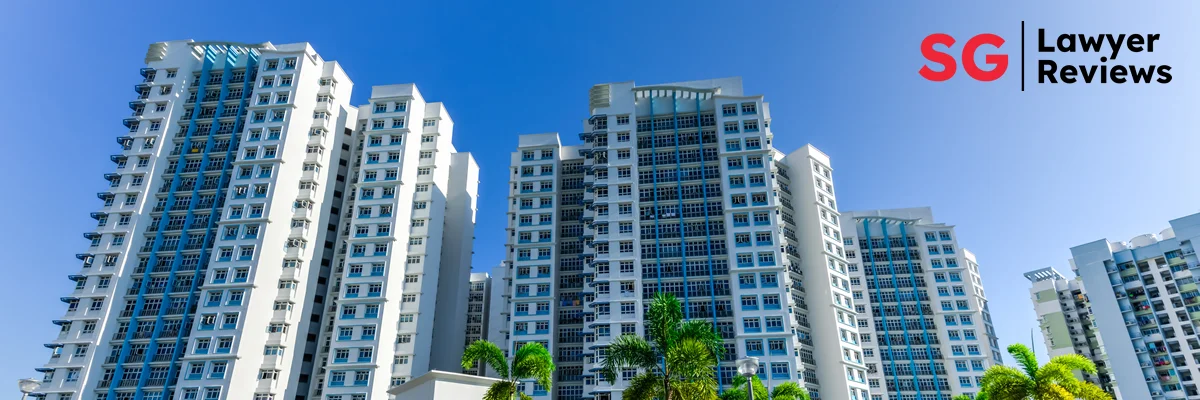
Strata title and MCST matters cover the legal framework applicable to subdivided developments such as condominiums and strata landed housing, where individual units are separately owned while common property, such as facilities, gardens and building structure, is managed collectively through a Management Corporation Strata Title, commonly referred to as an MCST.
This area covers the formation and governance of the MCST, including how by-laws are made and enforced, how the Management Council is elected and operates, and how maintenance fund and sinking fund contributions are assessed and collected from individual unit owners to fund the upkeep of common property.
It also covers the rights and obligations of individual subsidiary proprietors, meaning unit owners, including their voting rights at general meetings, their obligations to comply with by-laws and house rules, and the circumstances in which the MCST can take enforcement action against a proprietor who breaches these rules.
Because strata living involves a layer of collective governance not present in landed property ownership, and because disputes between proprietors, or between proprietors and the MCST, can be complex to navigate, anyone buying into, living in, or serving on the Management Council of a strata development should understand this framework, and should seek legal advice from a lawyer experienced in strata matters where a significant dispute or governance issue arises. For a practical explanation of this related issue, read Best Conveyancing Law Firms in Singapore.
Which owners, buyers, sellers, landlords, tenants or project parties may be affected?
Subsidiary proprietors, meaning the individual owners of units within a strata development, are directly affected by strata title matters, since they are bound by the by-laws, subject to maintenance and sinking fund contributions, and entitled to vote at general meetings on matters affecting the development as a whole.
Prospective buyers of a strata unit are affected during due diligence, since they need to understand the financial position of the MCST, including any outstanding levies or planned major expenditure, before completing their purchase, as these can represent significant future costs. Tenants of strata units, while not directly bound by the MCST’s governance framework in the same way as owners, are generally required to comply with house rules as a condition of their tenancy.
Members of the Management Council, elected from among the subsidiary proprietors, take on additional responsibilities in overseeing the MCST’s management and decision making, and can face personal scrutiny if they are alleged to have acted improperly in that role.
Because strata developments involve a range of parties with different levels of involvement and responsibility, from proprietors and tenants through to Management Council members, each should understand their specific rights and obligations, and should seek legal advice where a dispute or governance question arises that affects their particular position.
Which HDB, SLA, URA, BCA or court requirements may apply?
Strata developments are primarily governed by the Building Maintenance and Strata Management Act, which sets out the framework for MCST formation, governance, by-laws, and dispute resolution, and the Land Titles (Strata) Act, which governs the subdivision of land into strata lots and the creation of strata title.
The Strata Titles Boards provide a specialised tribunal for resolving certain disputes within strata developments, including disputes over by-laws, common property, and, notably, collective sale matters, offering a forum with specific expertise in strata issues that can be more suitable than the general courts for these types of disputes.
The Building and Construction Authority’s requirements are relevant where the strata development requires structural or fire safety compliance work, and the Singapore Land Authority’s records are relevant to confirming strata title boundaries and any registered interests affecting individual units or common property.
HDB requirements are generally not directly relevant to private strata developments, though HDB does have its own, separate framework for common property in HDB estates that operates differently from the MCST system applicable to private strata developments. Because strata matters engage a specific statutory framework with its own dedicated tribunal, proprietors and Management Councils should seek advice from a lawyer familiar with this specific area. Before meeting counsel, review what to bring to your first legal consultation so the lawyer can assess the matter efficiently.
What title documents, contracts, plans or payment records should be reviewed?
The strata title itself, together with the strata plan showing the boundaries of the individual unit and the common property, should be reviewed to confirm exactly what a proprietor owns and what falls within the common property managed collectively by the MCST.
The MCST’s by-laws, which govern matters such as renovation restrictions, pet policies, and use of common facilities, should be reviewed by any prospective buyer or current proprietor, since these by-laws are binding and can significantly affect how a unit can be used or altered.
Financial records of the MCST, including the maintenance fund and sinking fund accounts, minutes of recent general meetings, and any records of planned major expenditure or outstanding levies, should be reviewed as part of due diligence before purchasing a strata unit, since these can reveal upcoming costs or financial difficulties within the development that would not be apparent from the unit itself.
Because a strata unit’s value and ongoing cost of ownership are affected by the broader financial and governance position of the MCST, not just the physical unit, buyers should request and review these MCST records as a standard part of their due diligence, and should seek legal advice on interpreting the by-laws and financial position where anything is unclear.
What approvals, notices, duties or filing deadlines may apply?
Subsidiary proprietors wishing to carry out renovation works to their unit typically need to obtain approval from the Management Council or comply with specific renovation guidelines set out in the by-laws, and failing to obtain required approval can result in the MCST requiring the works to be reversed or taking other enforcement action.
The MCST is required to hold annual general meetings, at which matters such as the budget, maintenance fund contributions, and elections to the Management Council are addressed, and proprietors should ensure they receive and respond to notices of these meetings, since decisions taken can directly affect their financial obligations and rights within the development.
Where the MCST needs to raise funds for a major repair or improvement beyond what the regular maintenance fund covers, a special levy may be imposed on proprietors, following the proper approval process set out in the governing legislation, and proprietors should be aware of the notice and payment deadlines that apply to any such levy.
Because missing a renovation approval requirement or failing to respond to an important MCST notice can have real consequences, proprietors should stay engaged with MCST communications and ensure they understand the approval process for any works they wish to carry out on their unit.
What financing, CPF, tax or stamp duty issues should be considered?
Financing and stamp duty considerations for purchasing a strata unit are generally similar to those for other residential or commercial property, depending on the specific use of the unit, with Buyer’s Stamp Duty and, where applicable, Additional Buyer’s Stamp Duty calculated in the same way based on the purchase price and the buyer’s profile.
CPF savings can generally be used to finance the purchase of a residential strata unit in the same way as other private residential property, subject to the usual Valuation Limit and Withdrawal Limit rules administered by the CPF Board.
A consideration specific to strata property is the ongoing maintenance fund and sinking fund contributions payable to the MCST, which represent a recurring cost of ownership beyond the mortgage and property tax, and buyers should factor these contributions into their overall budget when assessing affordability, since they can be substantial for developments with extensive facilities.
Because the ongoing cost of strata ownership extends beyond the purchase price and mortgage to include these recurring MCST contributions, and because a large upcoming special levy could represent a significant additional cost, buyers should review the MCST’s financial position carefully before committing to a purchase, in addition to arranging their financing and understanding their stamp duty liability. You may also want to check whether initial legal consultations are free before contacting a firm.
What happens if a party defaults or a defect is discovered?
If a subsidiary proprietor defaults on their maintenance fund or sinking fund contributions, the MCST generally has the power to take recovery action, which can include charging interest on overdue amounts and, in more serious cases of persistent default, pursuing formal debt recovery action against the proprietor.
Where a defect is discovered in the common property, such as a structural issue affecting the building, responsibility for repair generally falls on the MCST, funded through the maintenance or sinking fund, while defects within an individual unit’s own boundaries are typically the responsibility of the proprietor, though the precise boundary between common property and individual unit responsibility can sometimes be a source of dispute.
Where a defect is discovered shortly after a new development is completed, proprietors may have recourse against the developer or builder under the defects liability period typically provided for in the sale and purchase agreement for new developments, separate from the MCST’s ongoing responsibility for common property maintenance.
Because responsibility for defects can depend on whether the affected area is common property or falls within an individual unit, and because this boundary is not always obvious, proprietors facing a defect issue should seek clarification from the Management Council or, where the matter is disputed, from a lawyer familiar with strata property matters.
Can the matter be resolved through negotiation, adjudication, mediation or arbitration?
Many strata disputes, particularly disagreements between a proprietor and the Management Council over matters such as renovation approval or interpretation of a by-law, can be resolved through direct discussion, and Management Councils are generally encouraged to engage constructively with proprietors before escalating a dispute formally.
Where a dispute involves a payment claim connected with works carried out on the development, adjudication under Singapore’s security of payment legislation may be relevant as a fast, interim mechanism for that specific payment dispute, separate from any broader governance disagreement.
The Strata Titles Boards provide a specialised forum for resolving a range of strata disputes, including disagreements over by-laws, common property, and collective sale matters, and this specialised tribunal is often the appropriate forum for disputes that cannot be resolved directly between the parties, given its specific expertise in strata issues.
Mediation is also available and can be a useful option for preserving relationships within a strata community, where an ongoing living or working relationship between the parties makes a less adversarial resolution valuable. Because the appropriate forum depends on the specific nature of a strata dispute, proprietors and Management Councils should seek legal advice to identify the most suitable route for their particular disagreement.
What legal, expert and transaction costs may arise?
Legal fees can arise both in connection with purchasing a strata unit, where a lawyer reviews the by-laws and MCST financial position as part of due diligence, and in connection with any dispute that arises during ownership, whether between proprietors or between a proprietor and the Management Council.
Where a dispute is brought before the Strata Titles Boards, filing fees and, where legal representation is engaged, legal fees for preparing and presenting the case will arise, and while the Strata Titles Boards process is generally intended to be more accessible than the regular courts, costs can still be significant for more complex or contested matters.
Where a defect or major repair issue affects common property, expert fees for building surveyors or engineers to assess the issue and recommend a course of action are often necessary, and these costs are typically borne by the MCST from the maintenance or sinking fund, ultimately funded by proprietor contributions.
Because both routine strata ownership and any disputes that arise can involve a range of legal and expert costs, proprietors should budget for these as part of the overall cost of strata ownership, and Management Councils should ensure the maintenance and sinking funds are adequately funded to cover foreseeable expert costs connected with maintaining the development. If you decide to seek representation, this guide to choosing a lawyer in Singapore can help you compare your options.