
Almost every single driver in Singapore will, at some point during their driving life, encounter a traffic offence of some kind, whether a speeding ticket, a summons for careless driving, or the gradual accumulation of demerit points. Understanding how this particular area of law generally works can genuinely help you know what to realistically expect and how seriously you should treat a specific situation you find yourself facing. This article explains, in plain language, the general framework for traffic offences in Singapore.
This is general information, not legal advice, since the specific consequences of a traffic matter depend on the nature of the offence and your own driving history. For more detail, see our Traffic Offence FAQ, and for a closer, more focused look at one particularly serious specific traffic offence, see our dedicated guide on drink driving in Singapore.
The Legal Framework
Traffic offences in Singapore are primarily governed by the Road Traffic Act, which covers a wide range of conduct on the roads, from relatively minor matters such as parking violations, through to more serious offences such as dangerous driving causing serious harm. The Traffic Police is the primary agency generally responsible for enforcing these particular laws and for investigating traffic-related incidents as they occur across the island.
Most drivers will encounter this area of law through relatively routine matters, such as a speed camera notice or a minor traffic summons, though it is worth understanding clearly that some traffic offences can carry genuinely serious and lasting consequences depending on the specific circumstances involved in each case.
Common Traffic Offences
Speeding is one of the most common traffic offences, involving driving in excess of the applicable speed limit for a particular road or area. Penalties generally scale with how significantly the speed limit was exceeded, with more serious speeding treated more severely.
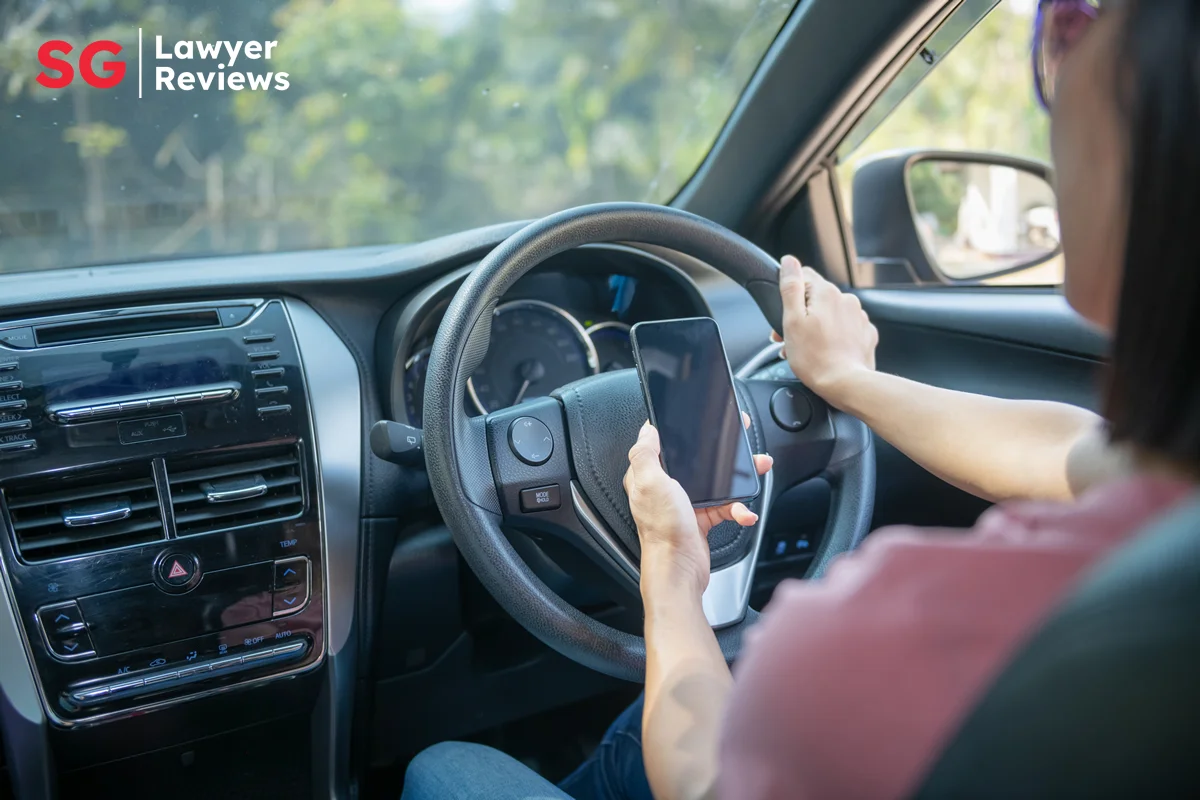
Careless driving generally involves driving without the level of care and attention a reasonable, competent driver would ordinarily exercise, even without necessarily involving excessive speed on its own. Dangerous driving is treated as more serious still, generally involving driving that falls significantly below the standard expected of a competent and careful driver, creating a genuine danger to others. Other common offences include running a red light, failing to give way appropriately, and using a mobile phone while driving.
The Demerit Points System
Singapore operates a demerit points system alongside the direct penalties for specific traffic offences, designed to track and address drivers who repeatedly commit traffic offences. Under this system, different offences carry different numbers of demerit points, and accumulating points beyond certain thresholds within a specified period can lead to consequences such as suspension of your driving licence.
This system means that even relatively minor individual offences can have a cumulative impact over time, since repeated infractions, even if each one seems small on its own, can add up to a genuinely significant consequence for your ability to keep driving.
License Suspension and Disqualification
Beyond the demerit points system, certain more serious traffic offences, or a pattern of repeated offending, can lead directly to disqualification from driving, either for a specified period or, in more serious cases, potentially longer. This is a significant consequence for most people, given how central driving often is to daily life and work in Singapore, making it important to take any traffic matter that could lead to this outcome seriously.
If you are facing a situation that could result in disqualification, understanding your options, including whether there is a genuine basis to contest the specific allegation or to present mitigating circumstances, is worth discussing with a lawyer, particularly where the consequences of losing your licence would be significant for your work or family responsibilities.
When a Traffic Matter Becomes More Serious
While many traffic offences are relatively minor and resolved through a fine or the addition of demerit points, some traffic matters can escalate into more serious criminal territory, particularly where an accident causing injury or death is involved, or where the driving involved was genuinely reckless or dangerous. These more serious matters can carry substantially more significant consequences, including imprisonment, reflecting the genuine harm that can result from irresponsible driving.
If you are involved in a traffic incident that has resulted in injury to another person, or that you believe could be treated as a more serious matter, seeking legal advice promptly, rather than assuming it will simply be treated as a routine traffic matter, is an important step.
Responding to a Traffic Summons or Notice
If you receive a traffic summons or notice, it generally sets out the specific alleged offence and your options for responding, which commonly include paying a fixed penalty where available, or contesting the matter if you believe the allegation is incorrect. Understanding your specific options, and the consequences of each, before deciding how to proceed is worth taking the time to properly consider.
For more serious matters, or where you are genuinely unsure how to respond, seeking legal advice before responding can help you understand the strongest and most appropriate way to handle your specific situation.
Practical Steps for Drivers
Keeping a clean driving record genuinely matters, both for your ongoing ability to drive and, in various contexts, for insurance and other practical considerations. Being mindful of speed limits, maintaining appropriate following distances, and avoiding distractions such as mobile phone use while driving are all straightforward habits that meaningfully reduce your risk of encountering these issues in the first place.
If you do find yourself facing a traffic matter, addressing it promptly, rather than ignoring a notice or summons, is important, since unresolved matters can sometimes lead to escalating consequences.
For one specific and particularly serious traffic offence that deserves its own dedicated attention, see our guide on drink driving in Singapore, which covers the legal limit, testing process, and penalties in detail.
When to Seek Legal Advice for a Traffic Matter
Not every traffic matter requires a lawyer, and many routine offences are handled straightforwardly through payment of a fixed penalty. However, where a matter could lead to disqualification, involves an accident causing injury, or where you genuinely believe the allegation against you is factually incorrect, seeking legal advice before responding can help you understand your realistic options and the best way to protect your position going forward.
The Cumulative Effect on Insurance and Employment
Beyond the immediate legal penalty, a pattern of traffic offences can also affect your motor insurance premiums and, for those whose work depends on driving, their employment prospects. Some employers conduct their own checks on driving records for roles involving vehicle use, making it genuinely worth treating even seemingly minor traffic matters with real care and attention, rather than viewing them purely as a small inconvenience to be paid off quickly and then forgotten.
Traffic Offences Involving Commercial or Professional Drivers
For those who drive professionally, such as delivery riders, taxi or private hire drivers, or those operating commercial vehicles, a traffic offence can carry additional consequences beyond the standard penalty, potentially affecting the specific licences or permits required for that particular line of work. If driving forms a core part of your livelihood, it is worth understanding not just the direct legal penalty attached to a specific offence, but also any additional professional or licensing consequences that might realistically follow from it over time.
Final Thoughts
Traffic offences range from relatively minor, routine matters through to genuinely serious offences with significant consequences, and understanding the general framework, including the demerit points system, helps you approach any specific situation with appropriate seriousness. If you are facing a traffic matter that feels significant, particularly one that could affect your ability to drive, seeking legal advice is a worthwhile step.
Frequently Asked Questions
Can a speed camera notice be contested if you were not the one driving?
Yes, if someone else was driving your vehicle at the time of the alleged offence, this is relevant information that should be raised through the proper process, since liability generally attaches to the actual driver rather than automatically to the registered owner in every circumstance, though there are specific procedures for identifying the actual driver that need to be followed correctly.
Do demerit points ever expire or reduce over time?
Generally, demerit points systems are designed with a specific tracking period in mind, after which earlier points may no longer count toward triggering further consequences, though the specific mechanics of how this works can change over time, so it is worth checking the current position if this is relevant to your situation.
Can a foreign driving licence holder face the same traffic penalties as a Singapore licence holder?
Generally, traffic laws in Singapore apply to anyone driving on Singapore roads, regardless of where their licence was issued, meaning a person driving on a foreign or international licence in Singapore can still face the applicable penalties for a traffic offence committed here.
Thank you for sharing this article...
About the Author: Randy Alta